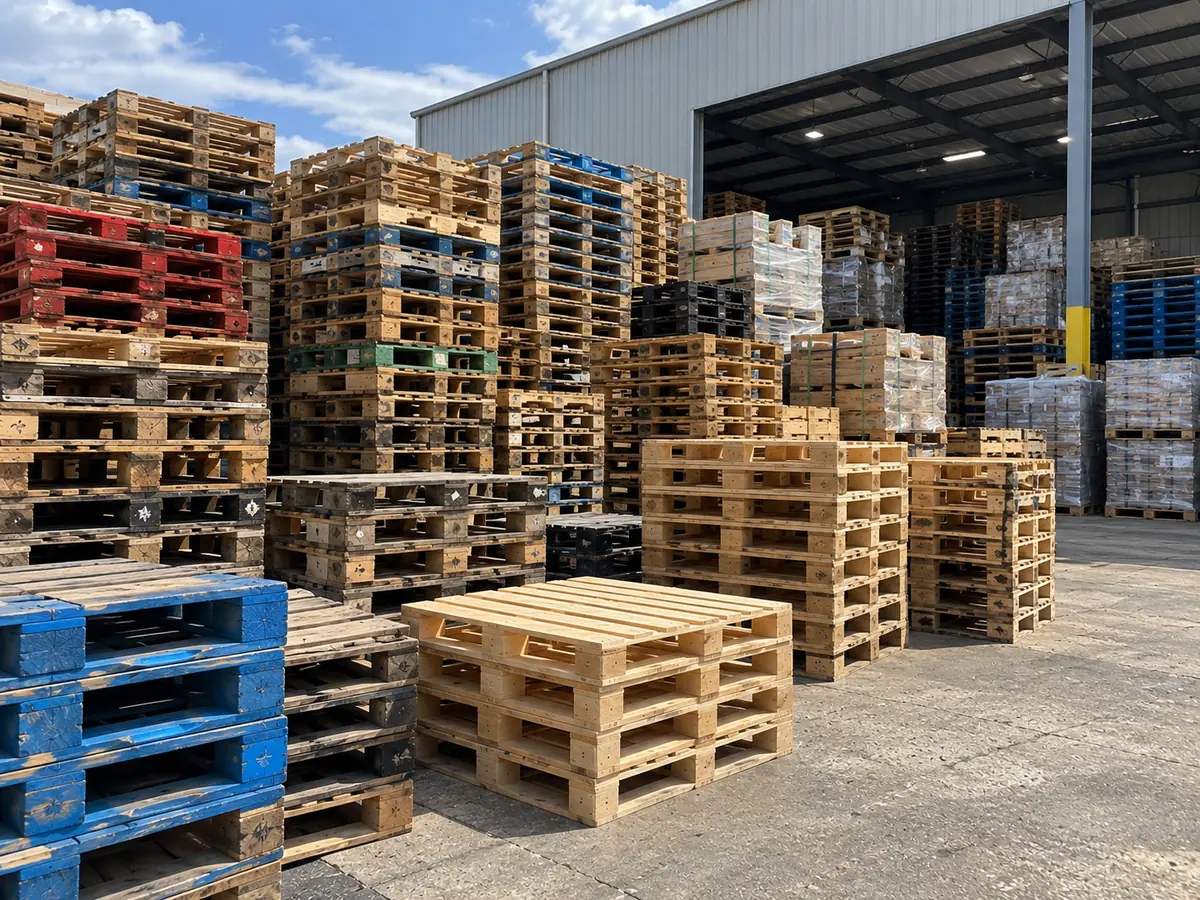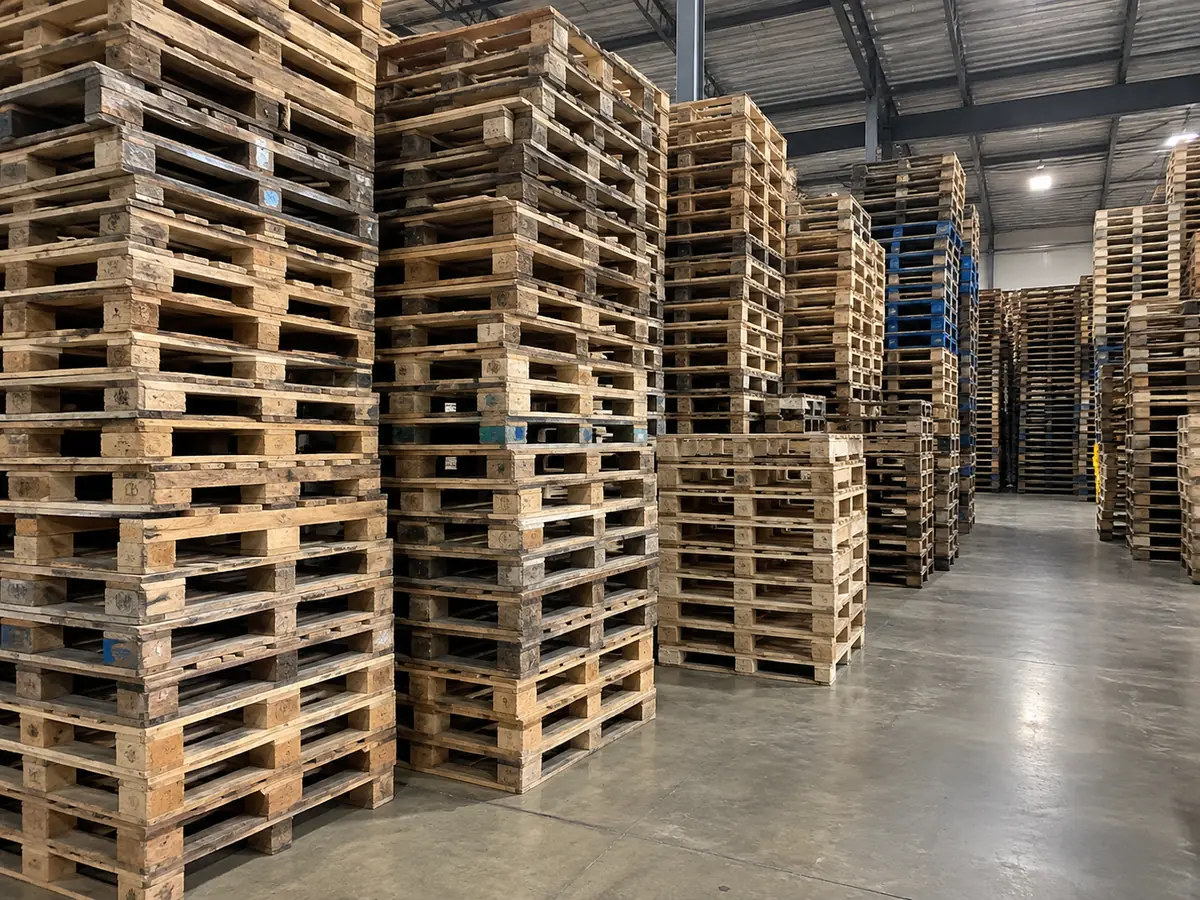
Late-season rush orders for pallets follow a familiar pattern, and the reply is rarely welcome. Here is why the squeeze happens and what to do about it.
Why the squeeze happens
Two curves that do not line up.
Demand rises early. Production for holiday retail ramps up in the autumn. Distribution centres fill. Everybody who ships consumer goods needs more pallets, and they need them before the goods move, not after.
Core recovery lags. A used pallet only enters the market after the goods it carried have arrived somewhere. So the pallets generated by the holiday surge reach the market after the demand that caused them has passed.
In between, supply can be tight while demand has not yet fallen. Prices can rise and availability thin, and the two effects reinforce each other because buyers who can see it coming start buying early, which pulls the squeeze forward.
The follow-through
People expect the new year to be the relief and it often is not. Freight volumes drop after the holidays, which reduces core generation at exactly the point that recyclers are trying to rebuild stock. Meanwhile the cores that do arrive have spent the winter outdoors and a meaningful proportion of them are wet, which means they need drying before they can be graded.
Seasonal patterns vary by region and by year, so treat this as a general tendency rather than a calendar. If your requirement is flexible at all, buy outside the peak.
The four things that work
1. Buy early. Obvious and rarely done, because budgets are tight and the peak is somebody else's problem. Pull forward whatever you can store. Pallets do not spoil.
2. Share your forecast. A partner supplier that knows your expected footprint, grade and volume ahead of time can plan for it. Get the quantities and delivery expectations in writing rather than agreeing them on a phone call.
3. Stay flexible on grade. A facility locked into Premium Grade A has one option and it is expensive. A facility that can take Grade B or a combo load for internal movement has a lever. Most sites over-specify anyway; the squeeze is just the moment it starts costing real money.
4. Sell your cores to the people you buy from. This is the one that surprises buyers. A customer who regularly returns cores is a supply source, not just a demand, and when supply is short, suppliers tend to serve their supply sources first. It is arithmetic rather than favouritism.
What does not work
Asking every supplier at the same moment. In a tight market everyone is drawing from the same shrinking pool, and all of them now know you are short. It does not improve your price.
Waiting for prices to come back. They tend to, eventually. That does not help when you are short now.
Switching to new pallets on the spot. New pallets have their own lead times, cost more, and lumber supply has its own seasonality. It is a valid plan made early and a bad one made late.
Buying from whoever answers first. In a squeeze the suppliers with stock available at short notice are sometimes the ones with looser intake standards. Ask for the grading standard in writing before you order, always, and especially then.
A note for sellers
If you generate used pallets, a tight market is your best moment. Core values tend to rise with the squeeze.
Sort by footprint, keep them dry, count accurately and have photographs ready. A sorted, dry load is worth substantially more than the same load mixed and wet. The selling playbook has the detail, and you can request a quote to have a partner supplier follow up.
And the honest bit
A last-minute request can sometimes be met, from stock or from another supplier in the network, but it costs more than it needed to. This article exists so that fewer people have to make that request.